Local News
From Minneapolis to Selma: Somali American Minnesotans Honor the Legacy of Bloody Sunday

More than six decades after one of the most defining moments of the American civil rights movement, Somali American Minnesotans joined thousands of others in Selma to commemorate the anniversary of Bloody Sunday on the historic Edmund Pettus Bridge.
For many in the Somali community who traveled more than a thousand miles from Minneapolis, the journey was more than a trip, it was a powerful act of solidarity and remembrance. Somali leaders, community members, youth, and families gathered to walk the same bridge where civil rights activists were brutally attacked in 1965 while demanding the right to vote.

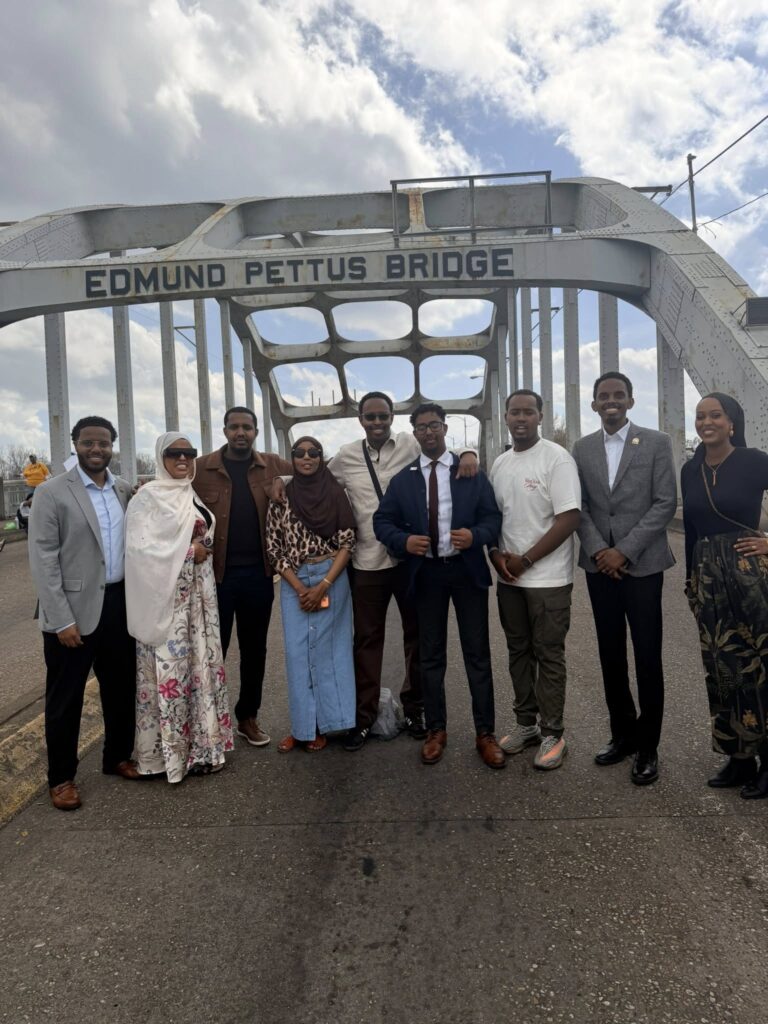
The trip left a deep impression on participants
“This was one of the most powerful experiences I’ve had,” said Hodan Hassan, a former Minnesota state representative and community leader. “Standing on that bridge reminds us of the courage it took to demand justice—and why that fight must continue.”
This year’s commemoration of Selma came after months of immigration enforcement operations by U.S. Immigration and Customs Enforcement targeting Minnesotans, including members of the Somali American community. Against that backdrop, the presence of Somali American leaders and community members at the event underscored the enduring connection between past and present struggles for civil rights. Even 61 years later, participants reflected on how many of the same issues remain unresolved — the right to vote, the right to belong, and the right to live with dignity.

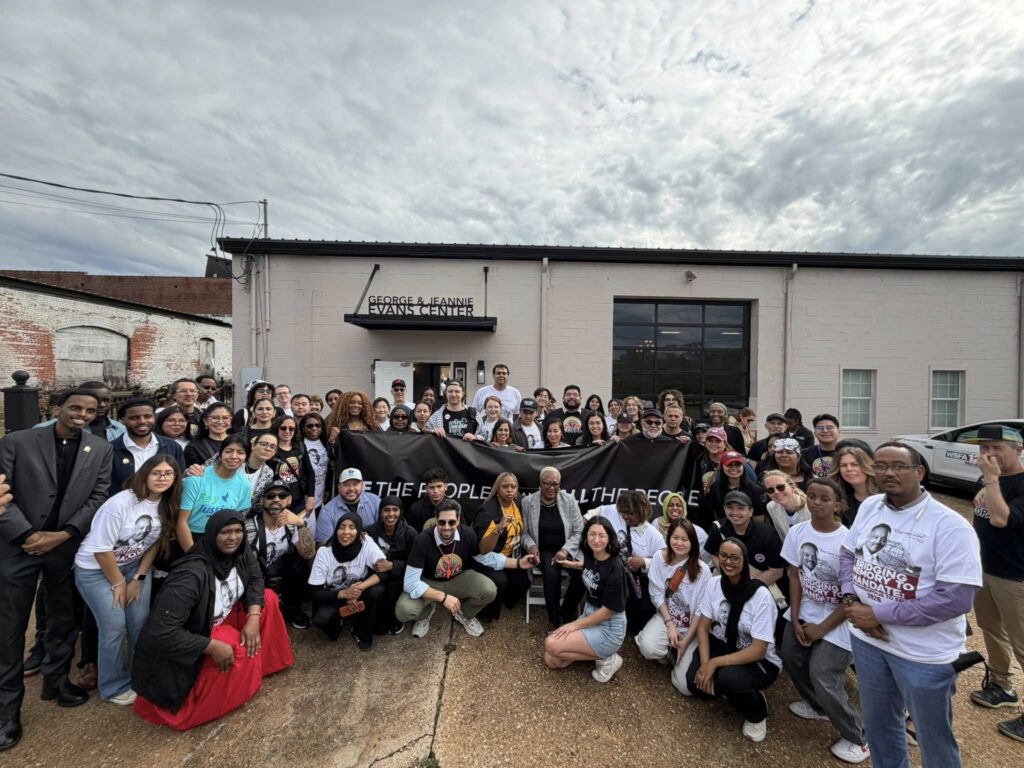
Hassan also expressed gratitude to the organizations that helped make the journey possible, including Rainbow PUSH Coalition, the Somali American Coalition, COPAL, Ayada Leads, and the Immigrant Defense Network, along with many other groups that worked together to bring communities together in solidarity and purpose.
The long bus ride from Minnesota to Alabama—stretching across more than a thousand miles—was not easy. Yet traveling together strengthened the sense of community among those making the journey.
“Traveling by bus with the community makes the journey meaningful and memorable,” Hassan noted. “Even if the ride itself can be a bit brutal.”
Still, participants said every mile was worth it
The commemoration served as a reminder that the legacy of Selma is not only history—it is a living call to action. As communities across the country continue to advocate for justice and equality, the spirit of those who marched in 1965 remains a guiding force.
And for the Somali American Minnesotans who made the journey south, the message was clear: the struggle continues, but no one stands alone. Moving forward together—across generations, communities, and thousands of miles—remains the most powerful way to honor Selma’s legacy.

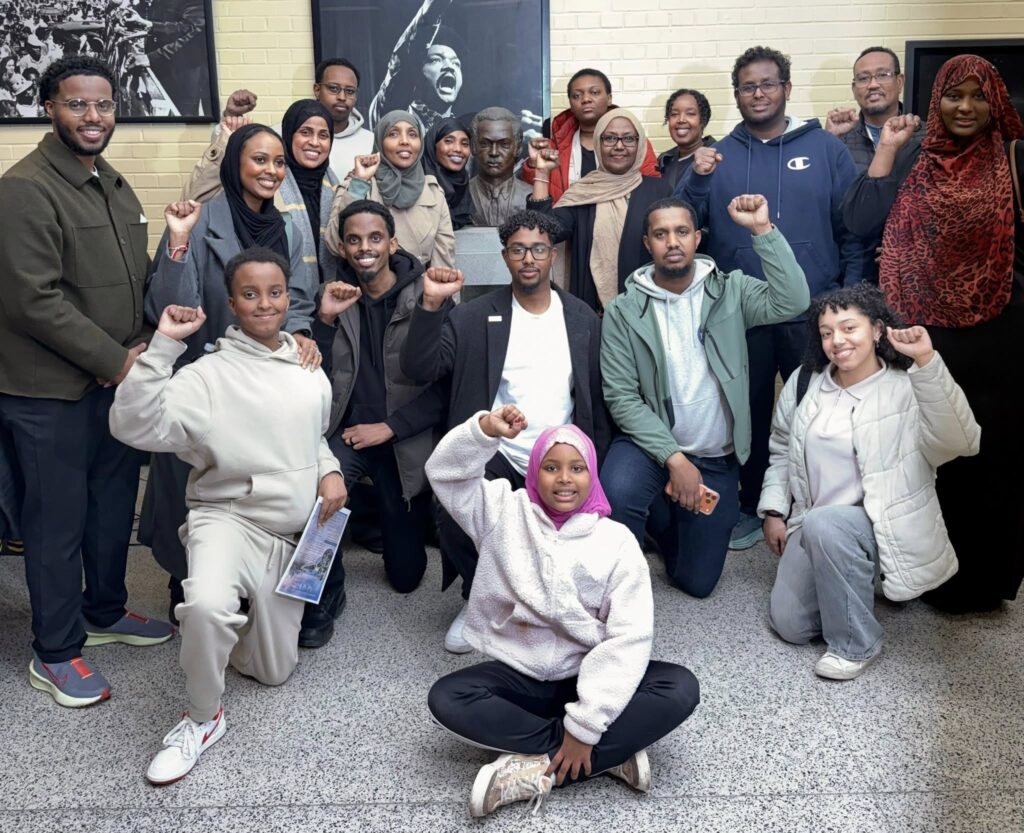
Photos credit: Hodan Hassan