
Local News
Fleeing Fear: Somali Musician Abdi Dhaanto’s Escape From Terror and Persecution

By Staff Writer: Abdirahman Mukhtar, Tusmo Times
MINNEAPOLIS – For many artists, music is a form of expression. For Somali musician and humanitarian Abdi Dhaanto — born Abdinor Nihaya Ahmed — it became a lifeline: a way to inspire hope while surviving violence, persecution, and one of the world’s most dangerous migration routes.

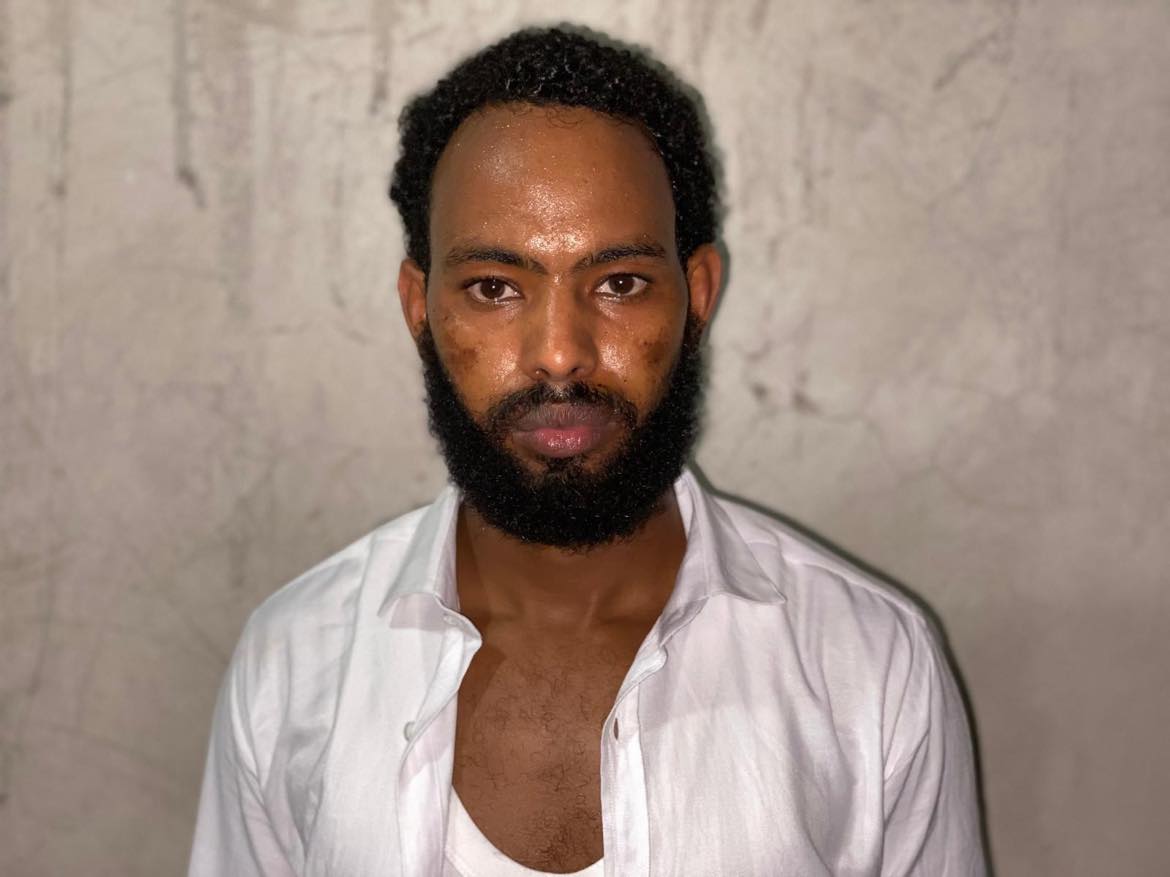
A photo of Abdi Dhaanto from one of his most popular songs, a traditional Dhaanto song. He is pictured with dancers who were peforming with him in the music video, January 21, 2017.
In an interview with Tusmo Times, Abdi Dhaanto described the fear, trauma, and uncertainty that shaped his journey from war-torn Somalia to the United States, where he is now rebuilding his life through music and community service.
“I used music to speak about peace and the struggles facing ordinary Somali people,” Abdi Dhaanto said. “But in Mogadishu, speaking openly can put your life in danger.”
Born in Jigjiga, the capital city of Ethiopia’s Somali region, and raised in Mogadishu, Abdi Dhaanto earned recognition not only as a musician and performer, but also as an advocate for Somali youth and internally displaced families affected by decades of conflict.
Through music, humanitarian outreach, and public engagement, he spoke openly about justice, peace, freedom of expression, and the urgent need for support for vulnerable communities living in displacement camps across Somalia.
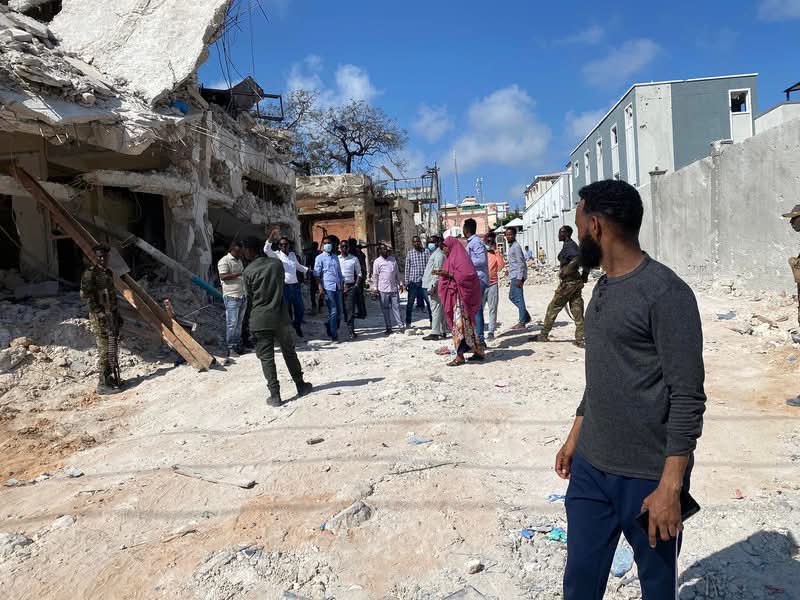
Abdi Dhaanto is pictured here on October 30, 2022, helping victims of the suicide bombing at Soobe Junction (KM5), where more than 600 people were killed in the deadly attack.
“I believed artists have a responsibility to speak for people suffering in silence,” he said. “Music was never just entertainment for me — it was a message of hope.”
But that activism came at a heavy personal cost.
According to Abdi Dhaanto and members of the Somali community familiar with his experiences, he became the target of threats and intimidation from the extremist group Al-Shabaab, which has long targeted artists, activists, and public figures promoting peace and social reform. He also faced repeated harassment and arrests connected to his outspoken criticism of injustice and the treatment of marginalized youth.
“There were times I was detained and questioned because of my music and my public statements,” Abdi Dhaanto said. “I was warned to stop speaking about corruption, violence, and the suffering of displaced families.”
Friends and community members say he survived multiple dangerous incidents, including bombings and direct threats against his life.
Abdi Dhaanto recalled narrowly escaping explosions in Mogadishu that left lasting psychological scars.
“I survived bombings that killed innocent people around me,” he said. “One explosion happened not far from where I had been performing. After seeing the bodies and destruction, I realized death could come at any moment.”
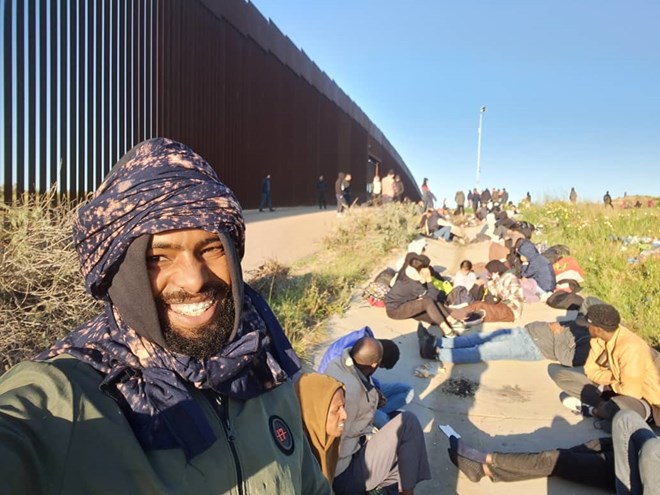
Abdi Dhaanto at the border of Mexico and United States on April 8, 2023
In another incident, he said armed men threatened him over songs and public messages promoting peace and unity.
“They told me my music was dangerous because it encouraged young people to reject violence,” Abdi Dhaanto said. “After that, I knew I was being watched.”
As the danger escalated, Abdi Dhaanto made the painful decision to flee his homeland in search of safety and the chance to live without fear.
“Leaving Somalia was one of the hardest decisions of my life,” he said. “I left behind my family, my friends, and the country I love because I wanted to survive.”
What followed was a grueling migration journey spanning several continents.
Traveling through Turkey, Panama, Guatemala, and Mexico before eventually reaching the United States, Abdi Dhaanto encountered hardships that tested both his physical endurance and emotional resilience.
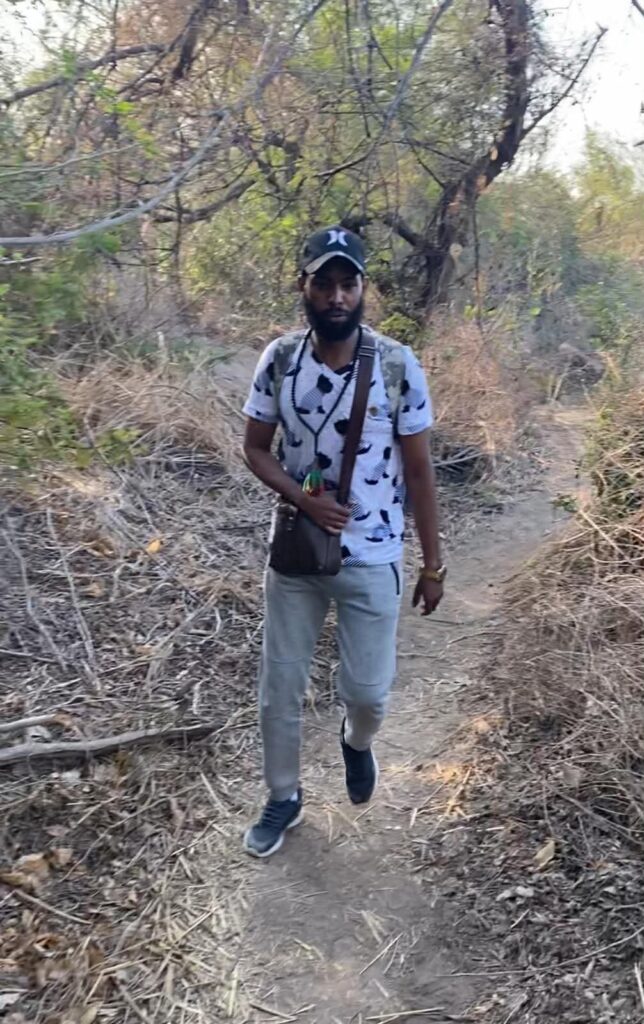
Abdi Dhaanto in the middle of the long journey to America walking in El Carnero, Mexico.
Along the route, he endured hunger, robbery, exploitation, uncertainty, and life-threatening conditions commonly faced by migrants escaping violence and instability.
“There were moments when I truly thought I would not survive the journey,” he said. “But I kept praying and reminding myself that I still had a purpose.”
A Somali community member familiar with his journey described Abdi Dhaanto’s determination during the migration process.
“There were moments when survival itself felt uncertain,” the community member said. “But he never gave up hope.”
After months of displacement and danger, Abdi Dhaanto crossed the U.S.-Mexico border near San Diego and eventually settled in Minnesota, home to one of the largest Somali communities in America.
Today, community members describe him as a law-abiding resident deeply committed to giving back through art, culture, and service.
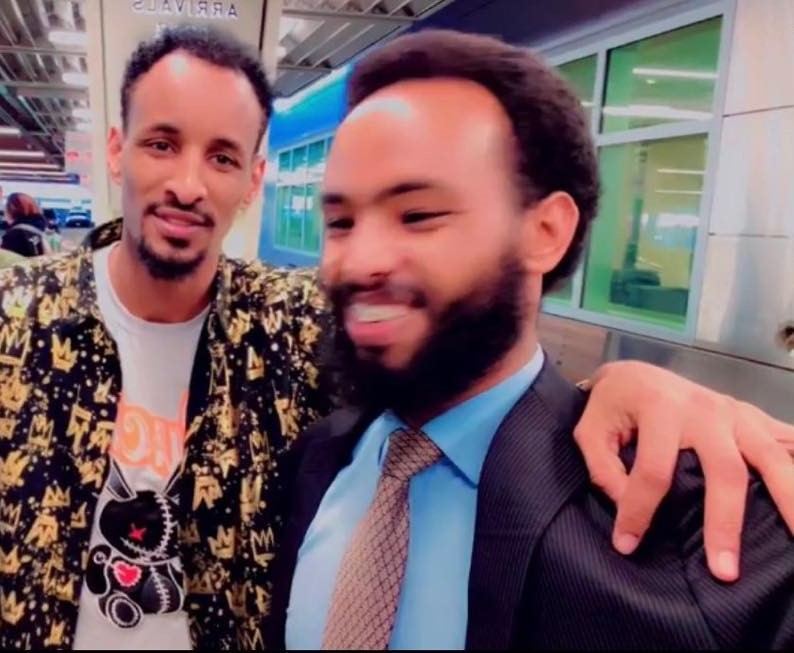
Abdi Dhaanto is seen at this picture with DJ Feermo who is a local Dj in the Twin Cities welcoming Abdi Dhaanto to Minnesota on April 13, 2023. Abdi Dhaanto arrived at Minneapolis and Saint Paul International Airport from San Diego.
Despite the trauma of his journey, Abdi Dhaanto has remained devoted to music — the same passion that once placed him at risk. Through performances at cultural festivals, weddings, and community events across Minnesota, he continues to celebrate Somali musical traditions while promoting messages of peace, unity, and resilience.
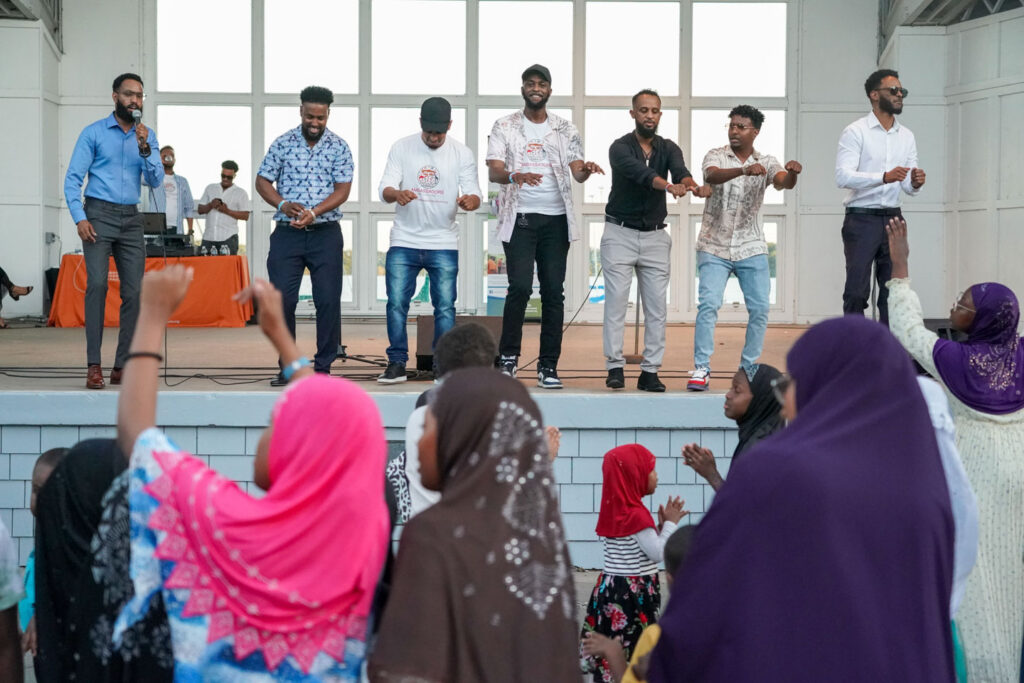
His performances blend traditional Somali sounds with contemporary influences, creating music that resonates deeply with immigrant communities seeking connection to their heritage and homeland.
“Music heals people,” Abdi Dhaanto said. “When people hear songs, it is a form of therapy, it reminds them that they are not alone.”
For many Somali Americans, Abdi Dhaanto represents far more than entertainment. He symbolizes perseverance and survival.
“He uses music to heal people,” said a local community organizer. “His story reminds us how powerful culture can be, especially for communities that have survived war and displacement.”
As debates surrounding refugees and immigration continue across the United States, Abdi Dhaanto’s story reflects the human reality behind global migration — the courage required to flee violence, the sacrifices made in pursuit of safety, and the determination to rebuild life through creativity and community.
Now living in Minnesota, Abdi Dhaanto says he hopes his music can continue bringing people together across cultures and generations.
“No matter where we come from, people want the same things — peace, dignity, and hope,” he said. “Music can unite people, even after everything they have suffered.”

Abdi Dhaanto is performing in Mogadisho, Somalia on May 15th, which is a day celebrated Somali Youth Day, also called SYL day.
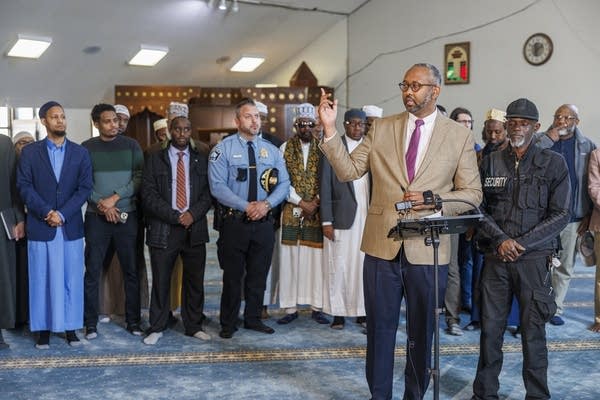
MINNEAPOIS – Muslim communities in Minnesota, along with others across the United States and Canada, are on edge following the deadly shooting at the Islamic Center of San Diego that left multiple people dead and authorities investigating the attack as a possible hate crime. The tragedy has renewed concerns among mosque leaders about rising anti-Muslim threats and violence targeting Islamic institutions nationwide.
The heightened concern comes as Muslim families and mosques are preparing for Eid al-Adha, one of the most significant holidays in Islam, which is expected to begin next week on May 27, 2026. The holiday traditionally brings large gatherings for prayers, celebrations, and community events, prompting many Islamic centers to reassess security measures ahead of the festivities.
In Minnesota, several mosques and Islamic centers are reviewing security protocols, increasing precautions, and strengthening coordination with local law enforcement agencies. Muslim leaders say the San Diego attack has intensified fears within a community that has already experienced years of threats, vandalism, arson attempts, and harassment directed at mosques and worshippers.
According to the Minnesota chapter of the Council on American-Islamic Relations (CAIR-MN), Minnesota has led the nation in reported incidents targeting mosques in recent years. CAIR data documented 15 anti-mosque incidents in 2024 alone, including threats, vandalism, break-ins, and arson attacks. The organization says more than 40 incidents targeting mosques have been reported statewide over the past three years, causing millions of dollars in damages.
Federal prosecutors recently secured a prison sentence against a man convicted of setting fires at two Minnesota mosques in 2023 — the Masjid Omar Islamic Center and the Masjid Al-Rahma Mosque — in attacks that authorities described as crimes against religious freedom.
Local Muslim leaders in Minneapolis said discussions about mosque security had already been underway before the San Diego shooting. Minneapolis imams and community leaders met with Minneapolis Police Department Chief Brian O’Hara on Tuesday to discuss safety measures, emergency response coordination, and continued communication between law enforcement and Islamic institutions.
Community leaders emphasized that the meetings with MPD leadership are part of an ongoing effort that began prior to the California attack, as concerns over hate crimes and extremist threats have steadily grown in recent years.
“We want our congregations to feel safe while practicing their faith,” one local imam said following the meeting. “The goal is prevention, preparedness, and partnership with law enforcement while maintaining openness in our communities.”
The San Diego shooting has prompted renewed calls from Muslim advocacy organizations for increased federal and local support to protect houses of worship and address the rise in religiously motivated violence across North America.
Local News
Ramsey County offers temporary property tax relief to help people affected by Operation Metro Surge

Saint Paul (Tuesday, March 10, 2026) – Ramsey County is offering temporary tax relief to help many residents impacted by the federal government’s aggressive immigration enforcement campaign known as Operation Metro Surge. It’s one of many steps the county has taken since the operation began this winter.
When county commissioners voted on Feb. 3 to condemn the tactics used by federal agents, they also directed County Manager Ling Becker to establish a structured and coordinated response to federal immigration enforcement. Since then, Becker has mobilized county staff to coordinate an array of initiatives to help people in the county impacted by the federal actions.
“While Operation Metro Surge may be winding down, its impacts have not,” Becker said. “Our most vulnerable residents continue to feel the greatest impact. With direction from the county board, we’ve taken a range of actions to support residents and businesses during this difficult time, and we remain committed to doing what we can to help our community recover.”
Temporary property tax relief
Metro Surge contributed to financial hardships by disrupting work and decreasing local business revenue. To address this strain, the county is implementing a temporary two-month property tax payment extension for first half 2026 property tax payments. Eligible property owners can pay their property taxes up to two months past the typical deadline without facing late payment penalties.
More information is available on the county’s property tax resources webpage.
Addressing health concerns
Along with disrupting families, fears of federal agents have heighted anxiety in communities. Parents have withdrawn children from schools and have decreased public activities. The isolation has put people at an increased risk of depression, which is compounded when the affected people are less likely to leave home to seek care.
Ramsey County already has mental health and crisis service that’s available 24 hours a day, 7 days a week. In addition, the county is allocating $75,000 to the Ramsey County Children’s Mental Health Collaborative. This one-time funding will help strengthen access to mental health and basic needs supports during a time of increased referrals, prolonged service waitlists and heightened community stress.
Other actions
- The Ramsey County Attorney’s Office, working with local law enforcement, posted online guidance for residents who are witnesses to or victims of criminal conduct by federal law enforcement agents.
- Clear protocols are in place for county employees who may need to interact with immigration enforcement agents at county owned or leased sites. Also, a new training was created to help employees understand how to navigate an encounter with immigration enforcement officials while working in the field
- A Connect to Services webpage that can be translated into multiple languages is now online to help residents connect with services and resources, such as food and emergency assistance programs. Printed information, also in multiple languages, was distributed through county programs, local food shelves, the city of Saint Paul (libraries and parks), and Saint Paul Public Schools.
- Signage has been posted at parks and county facilities clarifying that staging or operations are not permitted without authorization. “Employee only” signage designates non-public areas that cannot be accessed without a valid judicial warrant.
- The county expanded support to employees through the Employee Assistance Program (EAP), hosted sessions on stress management and psychological safety and launched a new EAP mobile app. Additional expanded supports are in the works.
Watch the presentation to commissioners at March 10 board meeting.
# # #
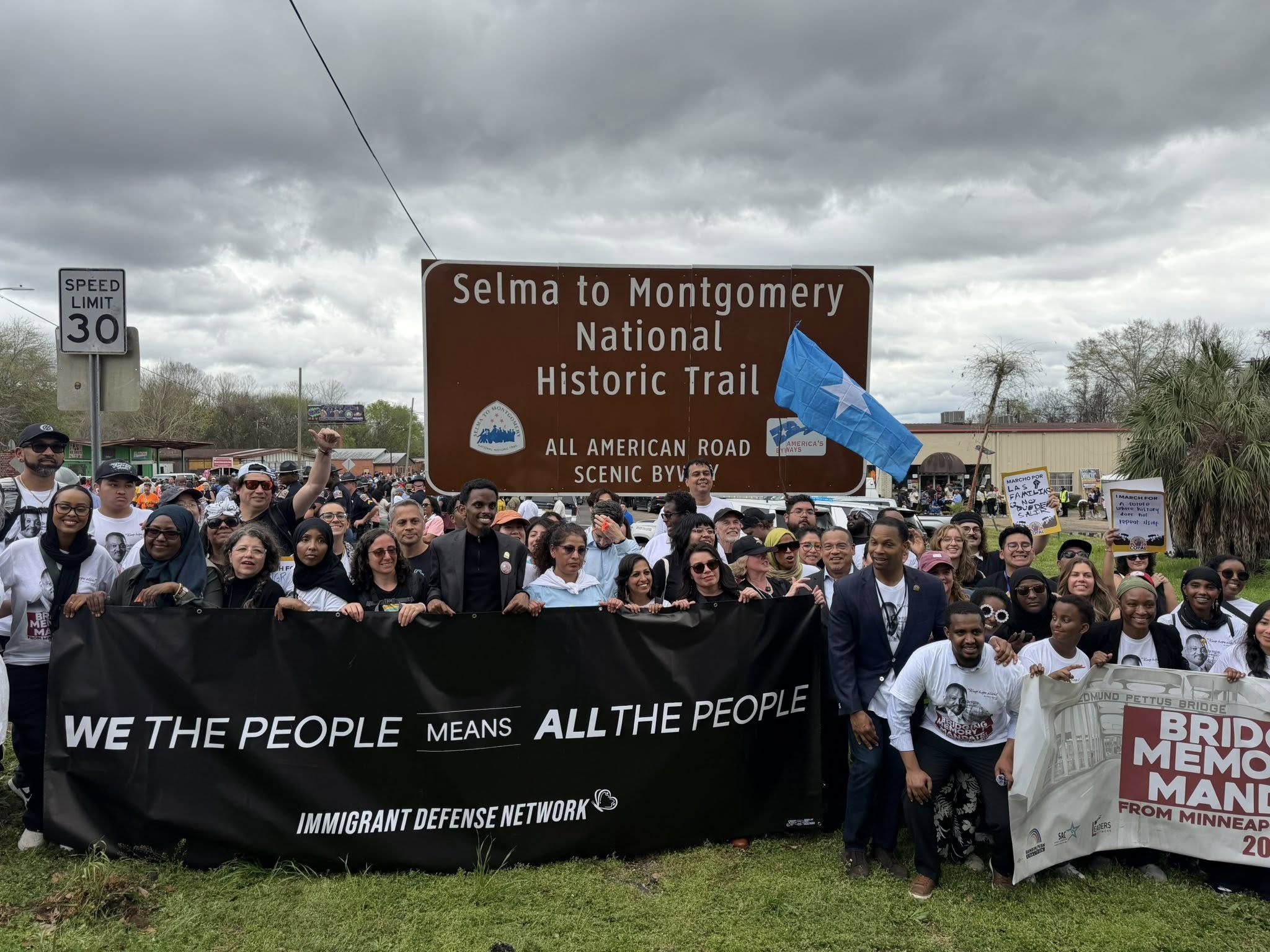
More than six decades after one of the most defining moments of the American civil rights movement, Somali American Minnesotans joined thousands of others in Selma to commemorate the anniversary of Bloody Sunday on the historic Edmund Pettus Bridge.
For many in the Somali community who traveled more than a thousand miles from Minneapolis, the journey was more than a trip, it was a powerful act of solidarity and remembrance. Somali leaders, community members, youth, and families gathered to walk the same bridge where civil rights activists were brutally attacked in 1965 while demanding the right to vote.
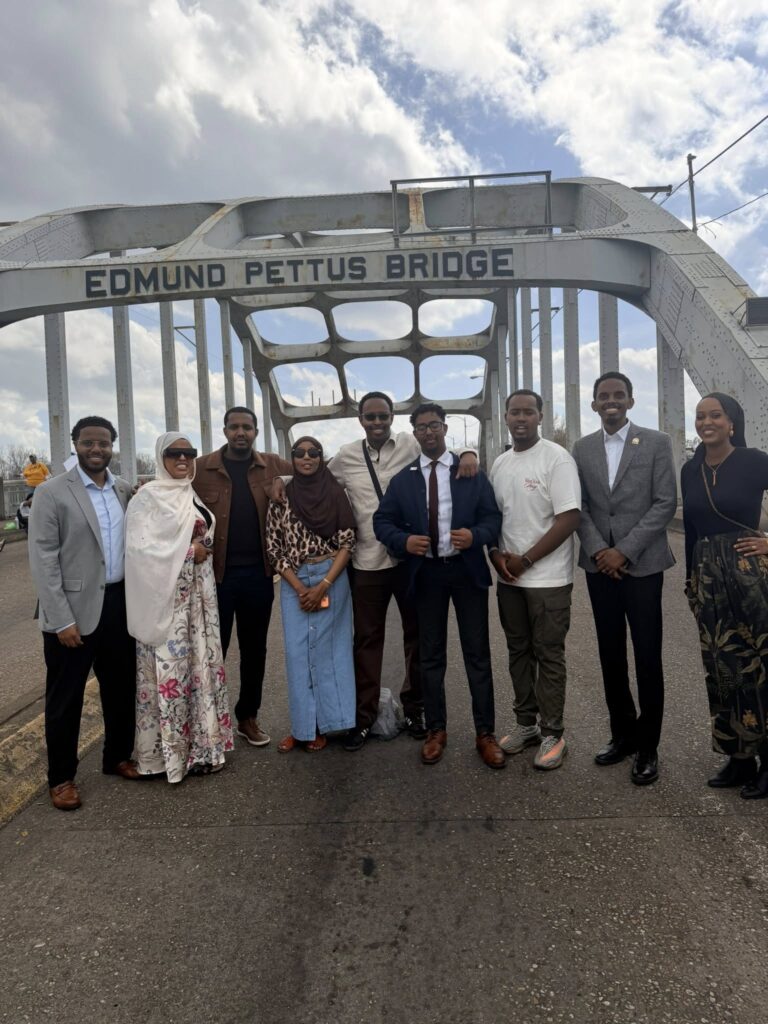
The trip left a deep impression on participants
“This was one of the most powerful experiences I’ve had,” said Hodan Hassan, a former Minnesota state representative and community leader. “Standing on that bridge reminds us of the courage it took to demand justice—and why that fight must continue.”
This year’s commemoration of Selma came after months of immigration enforcement operations by U.S. Immigration and Customs Enforcement targeting Minnesotans, including members of the Somali American community. Against that backdrop, the presence of Somali American leaders and community members at the event underscored the enduring connection between past and present struggles for civil rights. Even 61 years later, participants reflected on how many of the same issues remain unresolved — the right to vote, the right to belong, and the right to live with dignity.
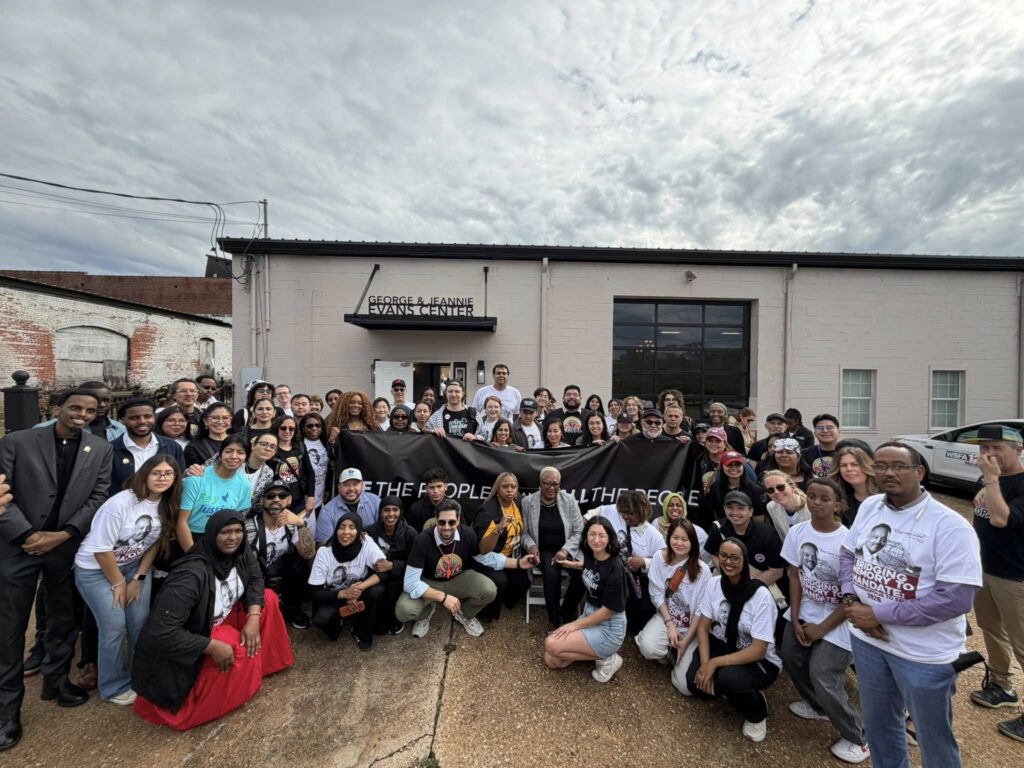
Hassan also expressed gratitude to the organizations that helped make the journey possible, including Rainbow PUSH Coalition, the Somali American Coalition, COPAL, Ayada Leads, and the Immigrant Defense Network, along with many other groups that worked together to bring communities together in solidarity and purpose.
The long bus ride from Minnesota to Alabama—stretching across more than a thousand miles—was not easy. Yet traveling together strengthened the sense of community among those making the journey.
“Traveling by bus with the community makes the journey meaningful and memorable,” Hassan noted. “Even if the ride itself can be a bit brutal.”
Still, participants said every mile was worth it
The commemoration served as a reminder that the legacy of Selma is not only history—it is a living call to action. As communities across the country continue to advocate for justice and equality, the spirit of those who marched in 1965 remains a guiding force.
And for the Somali American Minnesotans who made the journey south, the message was clear: the struggle continues, but no one stands alone. Moving forward together—across generations, communities, and thousands of miles—remains the most powerful way to honor Selma’s legacy.
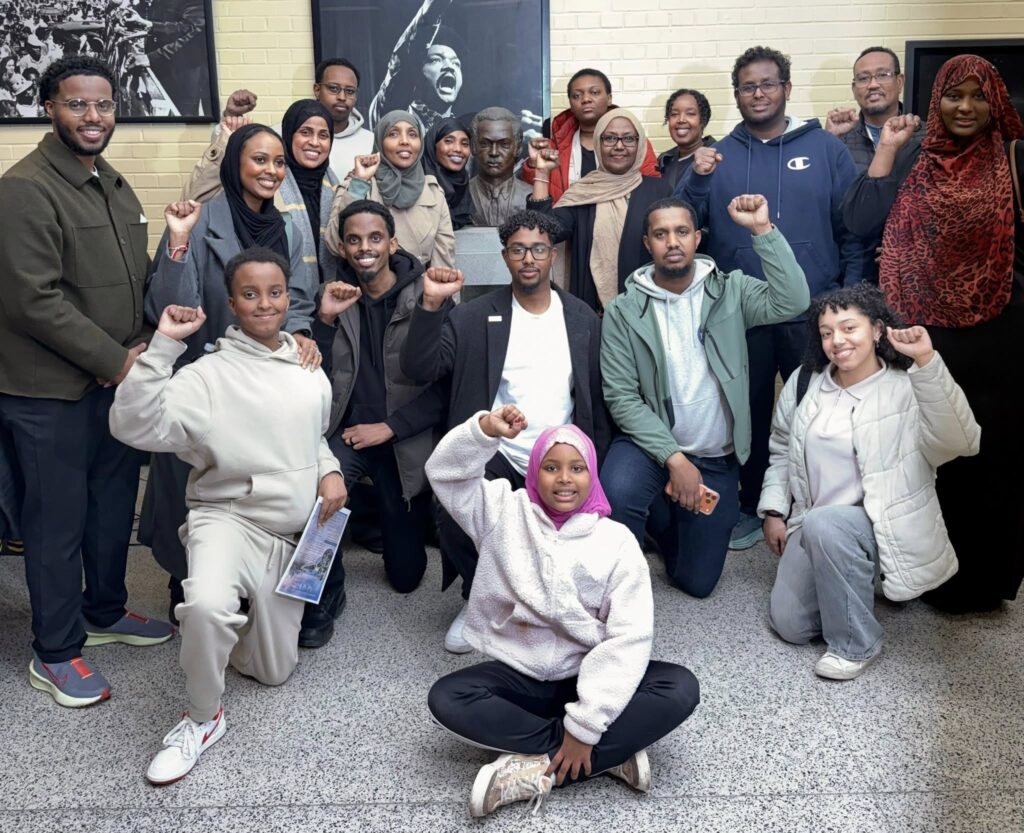
Photos credit: Hodan Hassan

Minnesota Muslim Community Heighten Security After Deadly San Diego Mosque Shooting

Soomaali sharciga TPS-ka haysta oo dacwad ka gudbiyay maamulka Trump

Ramsey County offers temporary property tax relief to help people affected by Operation Metro Surge

Lawsuit Challenges U.S. Decision to End Protected Status for Somali Immigrants

From Minneapolis to Selma: Somali American Minnesotans Honor the Legacy of Bloody Sunday

Somali American Bar Association Launches Community Rights Education Video

6 Ways to protect yourself from COVID-19 / Corona virus disease – WHO

Aadaankii u horeeyay: Habeen Taariikhi ah

What You Need to Know to Prevent & Manage COVID-19 (w/English subtitles)
-

 Local News7 months ago
Qof ku dhintay shil ka dhashay baabuur la xaday oo booliiska ka cararay
-
 Local News7 months ago
From Minneapolis to Selma: Somali American Minnesotans Honor the Legacy of Bloody Sunday
-

 Local News7 months ago
Community Organizer Abdu Rahman Launches Campaign for State Capitol Seat
-
 Politics6 months ago
Lawsuit Challenges U.S. Decision to End Protected Status for Somali Immigrants
-
 Education7 months ago
Rajaa Ali Advances as Minnesota Teacher of the Year Semifinalist
-

 Community Resource7 months ago
A Crescent of Hope: Minnesota Muslims Join Millions Worldwide in Welcoming Ramadan
-

 Community Resource7 months ago
Hennepin County Seeks Community Partners to Prevent Violence
-

 Health7 months ago
Deputies and Crisis Negotiators Safely Resolve Mental Health Crisis Outside Hennepin Healthcare