Health
Hookah is not our culture


Background
The use of hookah, also known as shisha, by the Somali community has become widespread in recent years. This is mostly due to the misconception that it is safer than cigarettes. In recent years, smoking hookah has become common in social gatherings and has become a way of socializing among youth. The growing popularity of hookah is due to social media and hookah lounges where youth are more likely to hang out. However, smoking hookah is not part of our Somali culture and it is associated with many physical and mental health risks.
Health effects
The majority of people who smoke hookah believe it to be safer than cigarettes, however this is not true. Hookah can affect the user’s health the same way cigarettes do, if not more. The use of hookah or exposure to secondhand smoke has been associated with many health problems such as heart disease, cancer, and respiratory disease.
Shisha is often consumed by a large group of people sharing the mouthpiece of Shisha, which puts people at risk for other infectious diseases such as tuberculosis, jaundice, and meningitis. Additionally, the use of tobacco products is found to worsen your mental health. Studies have shown that tobacco users reported worsening of mental health problems, such as anxiety and depression.
Is it safer than cigarettes?
There is a misconception that shisha is safe as it becomes more socially accepted and used in social gatherings. People who smoke shisha think it is less harmful than cigarettes, while seeing cigarettes as “uncool” or more dangerous, but that is a seriously flawed idea. Smoking shisha has many health risks similar to smoking cigarettes. One session of smoking shisha, which lasts about 1 hour, equals smoking roughly 100 cigarettes. This means that the person has consumed 10 times the carbon monoxide and 2.5 more nicotine than regular cigarettes.
Hookah is not our culture
When we get together to play chess, make dumplings, and share coffee, we are enjoying our culture. Smoking shisha is not part of our culture. Poetry, traditional dancing, and singing is part of our culture. Shisha is an addictive drug. Do not let the aromatic flavors fool you, smoking hookah delivers more carbon monoxide, nicotine and tar than cigarettes. So let’s retain our healthy way of socializing and say no to shisha.
Written by:
Amina Salad
Community Health Worker
WellShare International

Health
Deputies and Crisis Negotiators Safely Resolve Mental Health Crisis Outside Hennepin Healthcare
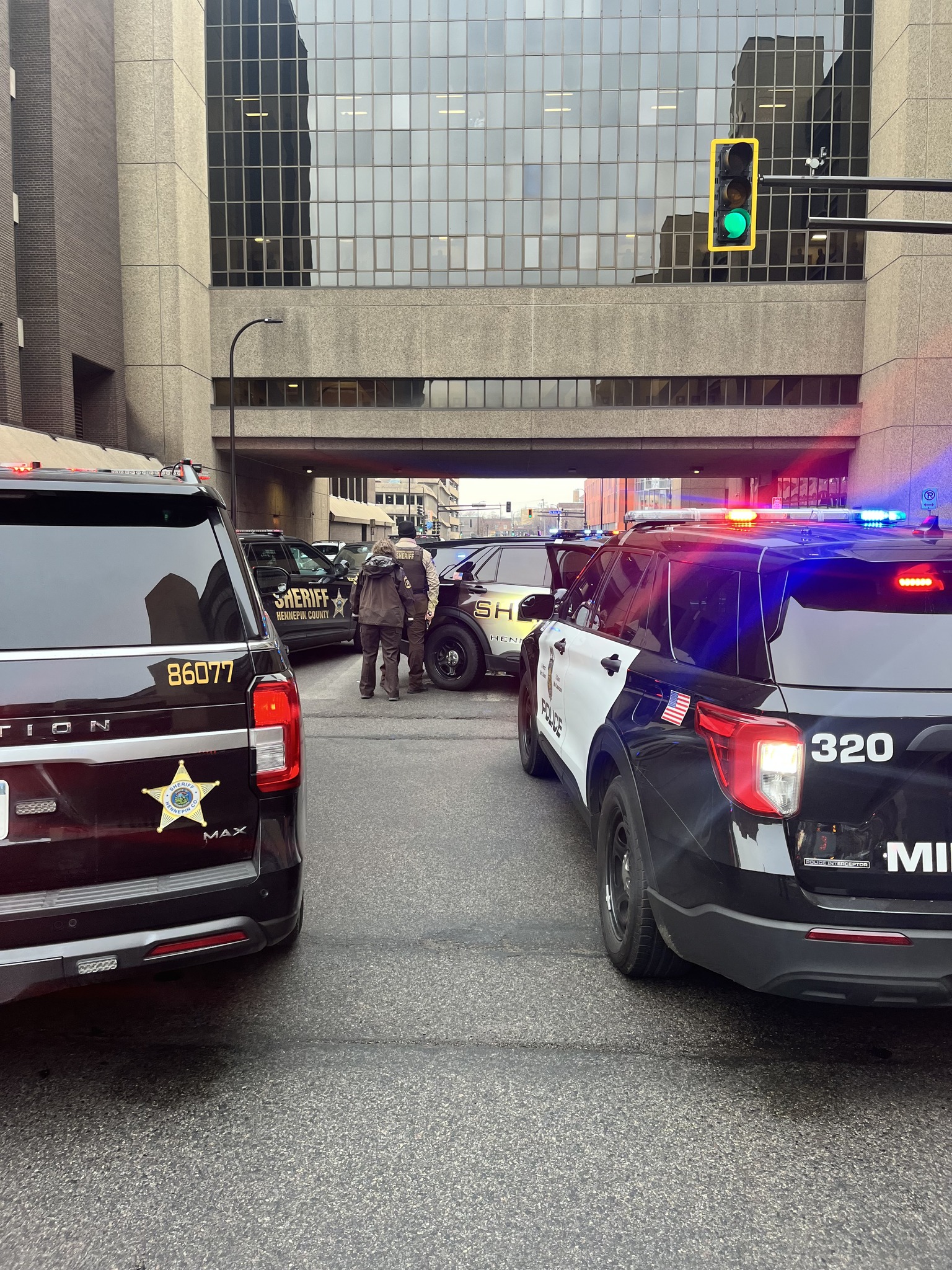
Minneapolis — A tense mental health crisis unfolded Thursday morning outside Hennepin Healthcare, where deputies and crisis negotiators worked for hours to safely intervene and ensure a person in distress received medical care.
According to the Hennepin County Sheriff’s Office, deputies assigned to the hospital responded to reports of a person in crisis inside a vehicle that was blocking traffic near the facility. When deputies approached, they observed the individual actively harming themself by cutting their head with multiple knives.
Crisis negotiators with the sheriff’s office arrived within minutes and began speaking with the individual in an effort to de-escalate the situation and persuade them to put down the weapons and accept help.
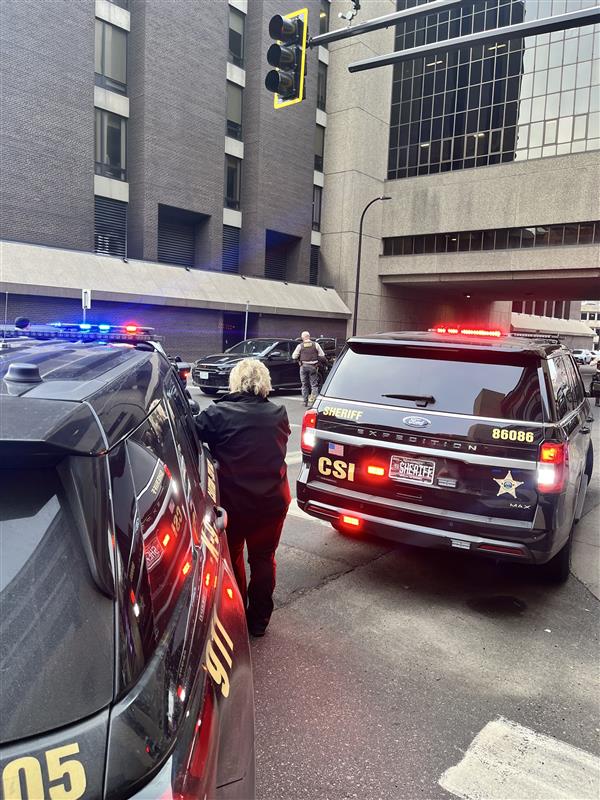
The incident prompted authorities to close nearby streets, including Chicago Avenue and 6th Street, to secure the area. At one point, part of the hospital’s emergency room was also placed on lockdown as a precaution while the situation unfolded.
For approximately two hours, negotiators maintained communication with the individual, who appeared to respond to their efforts to encourage them to exit the vehicle and seek assistance.
However, officials said the situation escalated suddenly when the person began cutting their own throat. Deputies then deployed less-lethal munitions to break the vehicle’s windows, allowing them to quickly gain access and intervene to prevent further injury.
The individual was taken into the hospital and is currently receiving medical care.
During the response, a crowd of roughly 20 to 30 people gathered nearby. Authorities said some members of the crowd shouted obscenities toward deputies, increasing tensions despite officers explaining the circumstances of the situation.
Officials noted that in incidents involving individuals experiencing an active mental health crisis, even minor disturbances can heighten the risk and complicate efforts to safely de-escalate the situation.
Authorities also acknowledged that emotions remain heightened in the community following Operation Metro Surge, but emphasized that law enforcement officers continue to respond to challenging situations that require patience, coordination, and care.
The sheriff’s office expressed appreciation for the agencies that assisted at the scene, including the Minneapolis Police Department, Minneapolis Behavioral Crisis Team, and Hennepin Healthcare paramedics for all of their work bringing this incident to a safe ending and providing on scene support and medical aid. HCSO crisis negotiators are highly trained professionals skilled in communicating with people who are experiencing a mental health crisis. They also respond to barricaded subjects, hostage situations, and other high-risk incidents involving weapons, working patiently and strategically to bring situations to a safe resolution.

Hennepin County is inviting community organizations, service providers, and residents to partner in strengthening violence prevention efforts across the county.
To support collaboration, the county will host both in-person and virtual information sessions. These gatherings will give potential partners the opportunity to ask questions, share feedback, and help shape how this important work moves forward together.
Building Safer, Stronger Communities
Over the past several years, violence prevention staff within Hennepin County’s Safe Communities area have worked closely with community-based providers in neighborhoods most impacted by violence. Their shared goal is to increase safety and ensure residents have access to:
- Basic needs and essential resources
- Meaningful employment opportunities
- Safe spaces to grow and learn
- Psychological support and a sense of being valued
- Freedom from fear
- Pride and belonging in their communities
Through collaboration, the county and its partners aim to create protective environments for young people, connect them with caring adults and positive activities, and promote healthy families.
“Violence prevention is a collective effort,” said Ifrah Jama, violence prevention coordinator for Hennepin County. “Every young person has the potential to choose peace over violence. We can support and guide them in recognizing the strength of compassion and understanding. Empowering our youth to become leaders in peacebuilding is at the heart of our violence prevention effort. They are the change-makers of tomorrow.”
Get Involved
As the county prepares to seek proposals for 2027 programming, community members are encouraged to attend upcoming virtual feedback sessions to learn more and share input.
Virtual Gathering:
Tuesday, March 10
1 p.m.
Learn more: Community violence prevention request for proposals
Organizations and residents who are committed to creating safer neighborhoods and expanding opportunity for youth are strongly encouraged to participate.
Together, we can build communities where every young person feels safe, supported, and empowered to thrive.
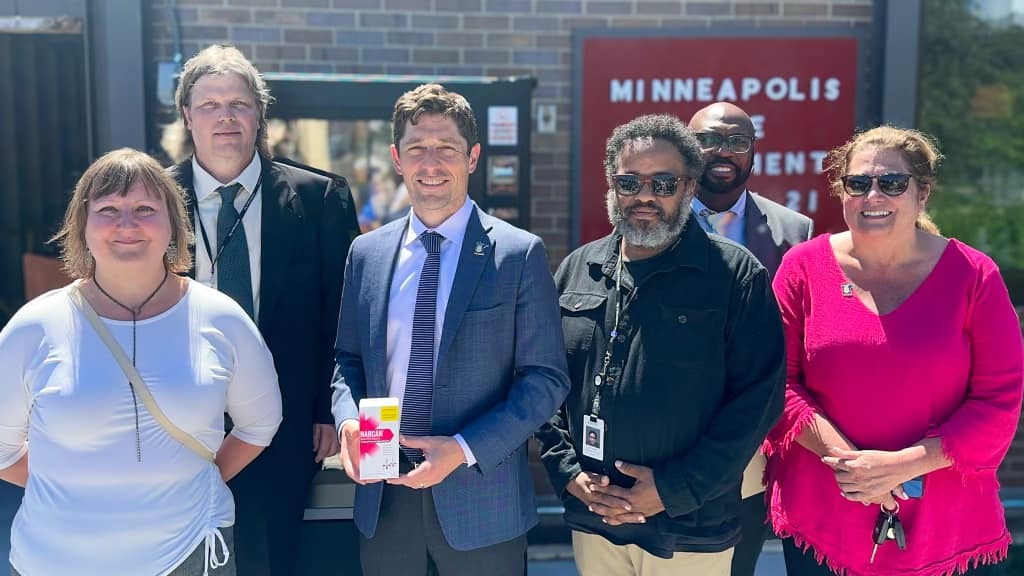
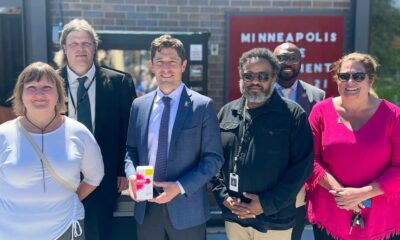
Minneapolis – In a groundbreaking effort to expand access to life-saving overdose intervention tools, the Minneapolis Health Department, in partnership with Hennepin County, has installed the first NARCAN vending machine in North Minneapolis. The machine is located at Fire Station 14, which also operates as the City’s Safe Station—a trusted and welcoming space for individuals seeking help with substance use and recovery.
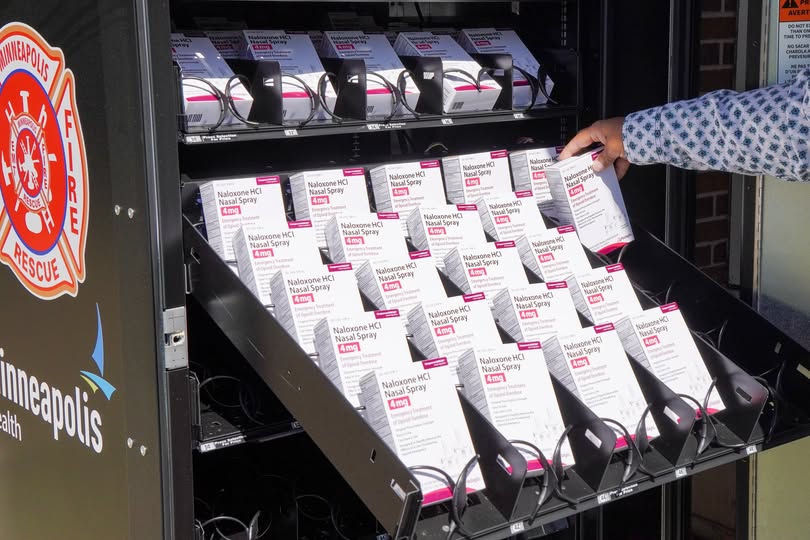
The vending machine is stocked with more than 100 boxes of NARCAN, with each box containing two doses of the opioid overdose reversal medication. It is accessible 24/7 and available at no cost—no ID, insurance, or appointments required.
Fire Station 14 serves as more than just an emergency response hub—it’s a point of connection. Those who walk through its doors can access peer recovery specialists and a network of support services aimed at helping people take the next step in their recovery journey.
Support is here, and it’s closer than you think. By putting tools like NARCAN directly into the hands of community members, Minneapolis is taking a vital step toward building healthier, more resilient neighborhoods.
Watch the announcement: https://www.youtube.com/live/K6HeebdcXL0
Find resources: https://www.minneapolismn.gov/…/current-concerns/opioids/


From Minneapolis to Selma: Somali American Minnesotans Honor the Legacy of Bloody Sunday

Madaxweyne Xasan Sheekh oo saxiixay dastuurka cusub ee Jamhuuriyadda Federaalka Soomaaliya

Saddex goobood oo kala duwan oo ay toogasho ka dhacday magaaladda Minneapolis mudo 20 daqiiqo gudahood

Immigrant Defense Network Calls for Investigation After Firing of DHS Secretary Kristi Noem

GARSOORE MAR KALLE AMAR KU BIXIYAY IN AAN LA XIRI KARIN DADKA QAXOOTI AHAANTA KU SOO GALAY WADANKA

Somali American Bar Association Launches Community Rights Education Video

6 Ways to protect yourself from COVID-19 / Corona virus disease – WHO

Aadaankii u horeeyay: Habeen Taariikhi ah

What You Need to Know to Prevent & Manage COVID-19 (w/English subtitles)
-

 Local News8 months ago
From First to Forefront: Omar Fateh’s DFL Endorsement for Minneapolis Mayor Marks a 25-Year Somali American Political Journey
-

 Community Resource8 months ago
Khadka Caawinta Qaxootiga iyo Soo Galootiga: Wac maanta si aad u hesho macluumaad iyo ilo xogo
-

 Local News12 months ago
Councilmember Osman’s Statement on Violence Interrupter Services in Cedar Riverside and Elliot Park
-

 Local News10 months ago
Lake Street Lift Launches “Lake of 10,000 Lands” Campaign
-
 Health10 months ago
City of Minneapolis Launches First NARCAN Vending Machine on the Northside
-
 Local News10 months ago
Minneapolis Vows to Advance Police Reforms Despite DOJ Move to Dismiss Consent Decree
-

 Local News10 months ago
More than 6,000 drivers cited for prioritizing phones over safety during distracted driving enforcement campaign
-

 Community Resource12 months ago
Tibyan Center Hosts Successful Iftar Dinner at New Facility in Saint Anthony